

CMstat | Configuration Management and Data Management Software and Consulting Services
EPOCH CM
CMstat’s EPOCH CM configuration management software was created to enable program managers, project leads, product engineers, supply chain contractors and MRO / sustainment operators to quickly deploy an instantly usable web-based asset lifecycle configuration management tool that was immediately cost effective with a minimum of IT support resources or user training required.
EPOCH DM
CMstat’s EPOCH DM data management software is a rapidly deployable and quickly usable solution for the management of all the contract data deliverables - like CDRLs and SDRLs - associated with government programs and commercial projects in the aviation, aerospace, defense, marine, naval, transportation, mobility, and heavy equipment industries.
CM / DM Expertise
CMstat offers a comprehensive portfolio of Configuration Management and Data Management consulting services that includes requirements analysis, planning, fundamentals education, functional audits, performance assessments, software implementation, system integration, data migration, user training, customer support, coaching, and process optimization.
Configuration Management Articles and Resources
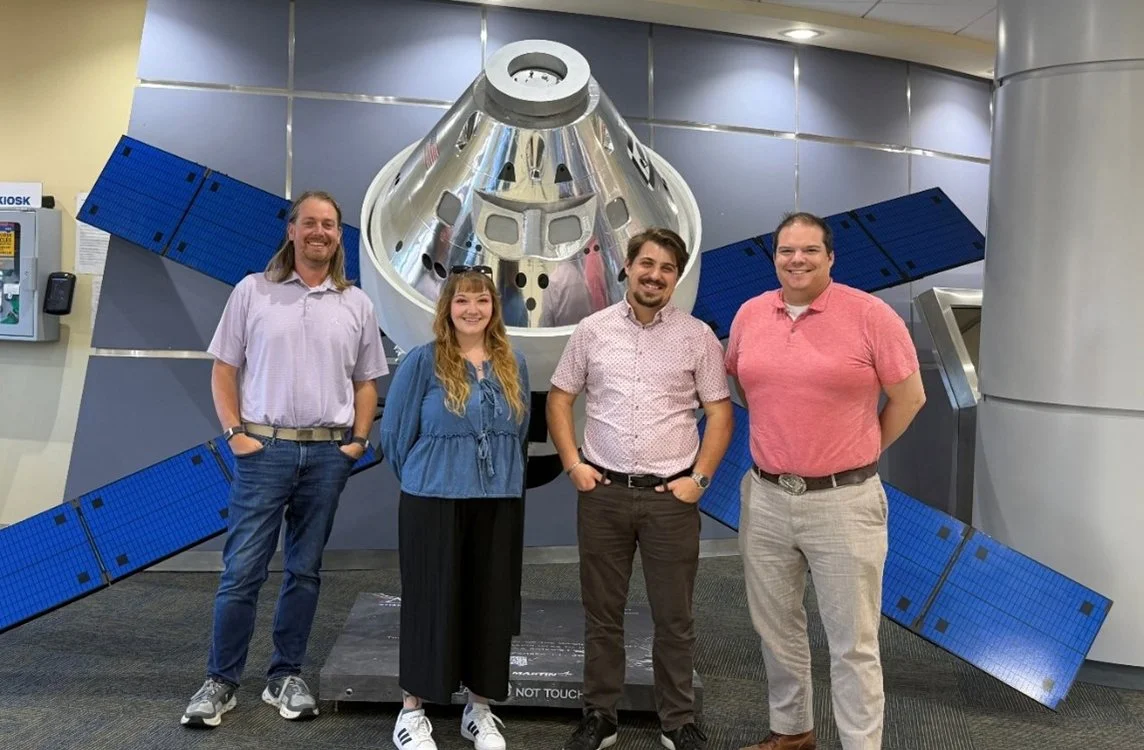
CMstat recently conducted a two-day user training session with Lockheed Martin teams centered on practical adoption of Epoch CM software. Through structured walkthroughs and scenario-based exercises, participants strengthened their understanding of configuration fundamentals, data management practices, and real-world workflows that support effective configuration management operations.

CMstat pioneered commercial off-the-shelf Contract Deliverables Management software with EPOCH DM, helping aerospace and defense contractors track CDRLs, improve compliance, and protect contract revenue.

CMstat is proud to announce our Data Management certification! Whether your role is IT, Program Management, Data Manager (DM), Configuration Manager (CM), Configuration Data Manager (CDM) or a combination of all of the above, learn from the best and become your organization’s Data Czar!
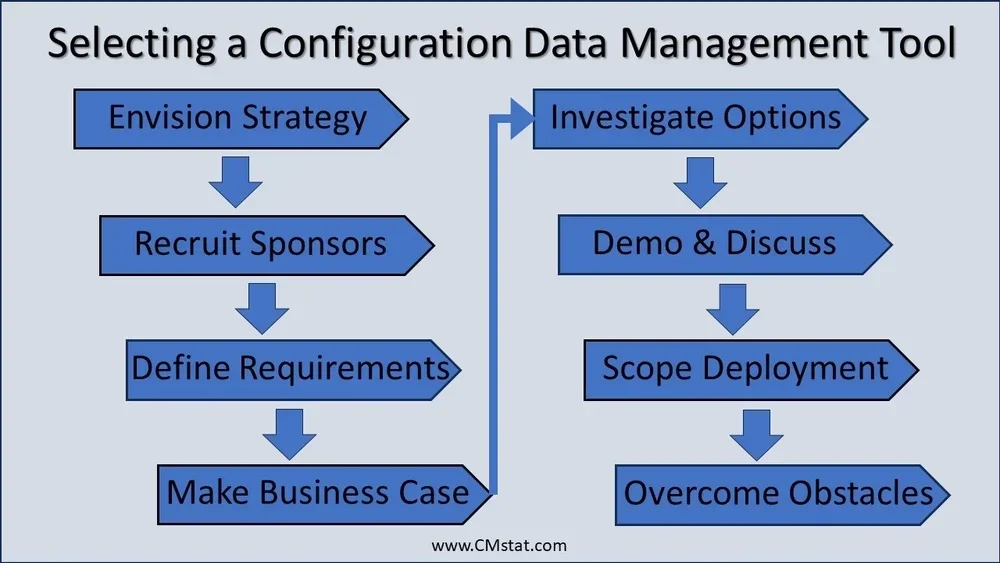
What are the steps in selecting and justifying a new Configuration Data Management software tool? In this series of CMsights posts, Dave Allen, CMstat’s A&D Industry Ambassador, will review steps in the selection processes he has often seen used over his career, as well as those steps which are often overlooked or occasionally misused.

The latest release of the EPOCH Configuration Management and Data Management software (Version 2.5.3.166) has been announced by the U.S.-based independent software provider CMstat.
Based upon CMstat’s decades of experience serving its Aerospace and Defense industry customers, we know firsthand that most users of Configuration Management (CM) software and recipient consumers of CM data are not design engineers in the early stages of a new product or program.

In this CMDM Coaches Corner we respond to a question heard many times that impacts the performance of the Configuration Management and Data Management function within an aerospace & defense program: “Why can’t the combination of spreadsheets and shared drives constitute a good CM/DM tool set?”

There are numerous challenges to properly implementing Configuration Management and Data Management (CM/DM) within an organization, a program, or across an entire enterprise including its supply chain partners. Historically, many of these obstacles were due to technology and tools as frequently discussed in past CMsights articles, but that is no longer the case as we will discuss.
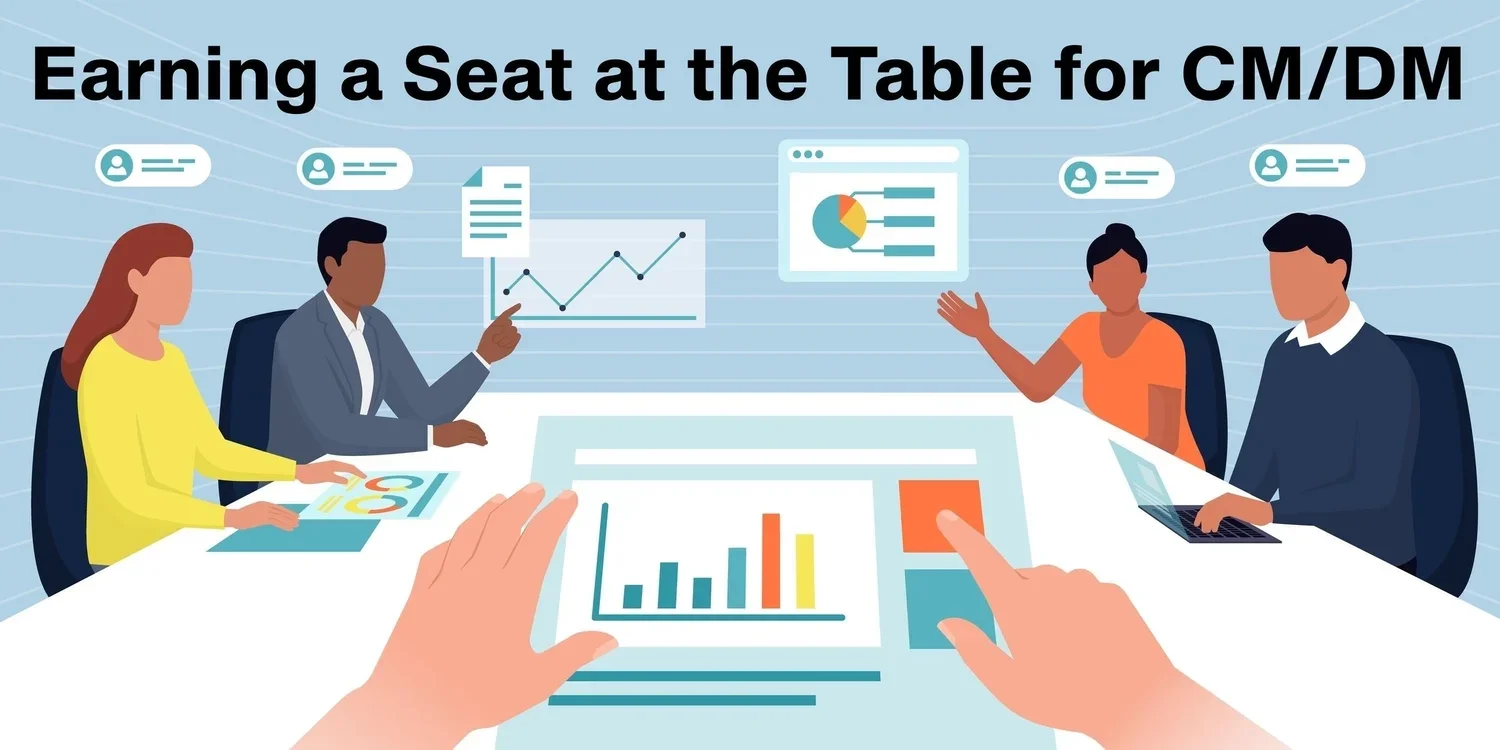
A frequent question we hear in conversations about Configuration Management and Data Management on LinkedIn, when teaching classes, or speaking with CMstat customers is: “How do I gain the CM/DM team more respect and stature within my company so that we always have a seat at the table when important decisions are being made that affect us?”

In this month’s CMsights we speak with Lisa Fenwick, Vice President of CMstat, to ask her the most important questions about performing Configuration Management Assessments. Lisa is a CMPIC Certified CM Assessor with 15 years’ worth of successful CM Assessments from over 25 years of CM experience. Lisa serves as the lead instructor for CMPIC’s Course 7 – CM Assessor Certification.

In this month’s CMsights we examine the important yet often misunderstood role of Configuration Management Champions within an organization. In a recent CMsights post we explored the obstacles to Getting Managers to Care About Configuration Management and asked readers for their own experience of making CM more important. The top three responses cited by readers can all be traced to misconceptions that managers have about the CM function which CM Champions can remedy.

We at CMstat often hear comments that too many senior managers do not really care about Configuration Management until there is a product failure, or worse, a system-wide shut down. In this month’s CMsights we are pausing to ask our readers for insights as to what has been their experience in getting managers, directors, and executives to care about CM, even if only enough to understand what it is and is not.

There are numerous uses of Configuration Management (CM) within the Aerospace & Defense industry outside of an OEM’s product engineering organization where rudimentary change control and configuration management may have been implemented as part of an engineering-centric PDM system.
This CMsights article illustrates one example “As-Configured” case study including the customer business challenges, CM deficiencies discovered, why existing tools were inadequate, requirements for a new solution, and the results attained along with benefits to the customer.

Over the past few years in our CMsights blog we have answered FAQs that we hear about Configuration Management and Configuration Management Software, especially from new product, project, or program managers. In our latest post we are sharing a Configuration Management blog bibliography – or “CM Blogography” – that we hope will be a quick reference compendium for those managers seeking to learn more about CM.
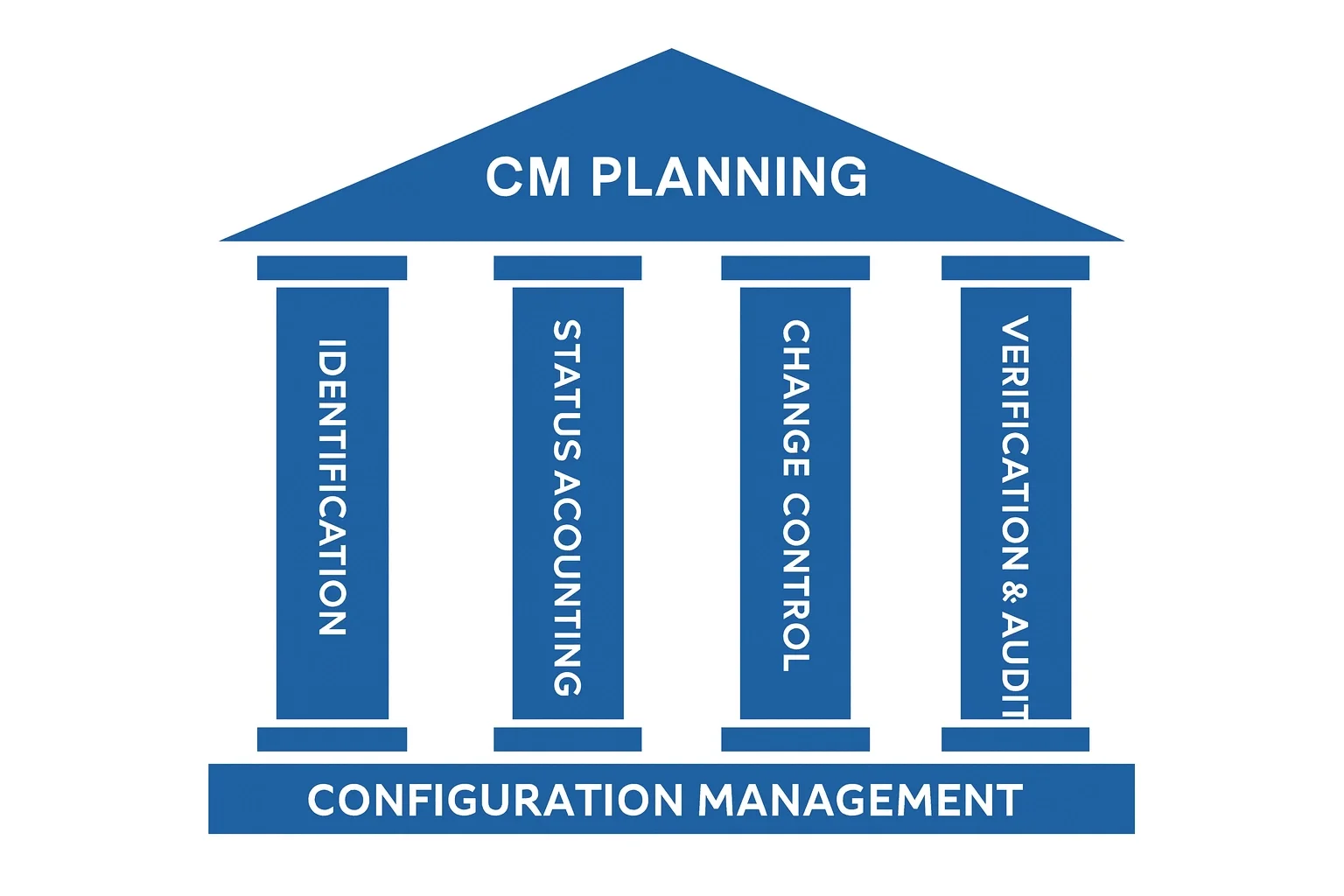
The implementation of configuration management must start with a well-conceived Configuration Management Plan. The CM Plan should address a number of elements important in the development, implementation, interoperability, usage, maintenance and evolution of an organization’s configuration management goals, vision, strategy, processes, best practices, desired competencies and supporting technologies including software.

This month’s CMsights shares CMstat Vice President Lisa Fenwick’s presentation from CMPIC’s CM Trends 2022 conference on “How Much Configuration Management is Good Enough?”
Learn what are the eight critical functions for “good CM” within the five foundational pillars of CM, such as Planning and Management, by downloading the presentation for immediate viewing.
This month’s CMsights looks at the why, what, who, and how of performing a Configuration Management Assessment (CMA). But first, what exactly is a CMA?
A CMA typically provides a fact-finding review and independent analysis of current CM-related processes, plans, performance gaps, best practices support, personnel competencies, standards adherence, and deployed software. A comprehensive CMA will also identify and prioritize prospective improvements to any elements found deficient.
There are numerous contributing factors which have caused the process of managing CDRLs (and SDRLs) to become not only a more arduous task, but at the same time increasingly important to the bottom-line performance of a DoD program or profitability of a supplier’s contract. Thankfully, as the efficient handling of CDRLs has become more demanding to orchestrate, best practices (BP) have emerged over recent years from a number of contractors, government agencies, industry associations, and CDRL data management software tool providers like CMstat.
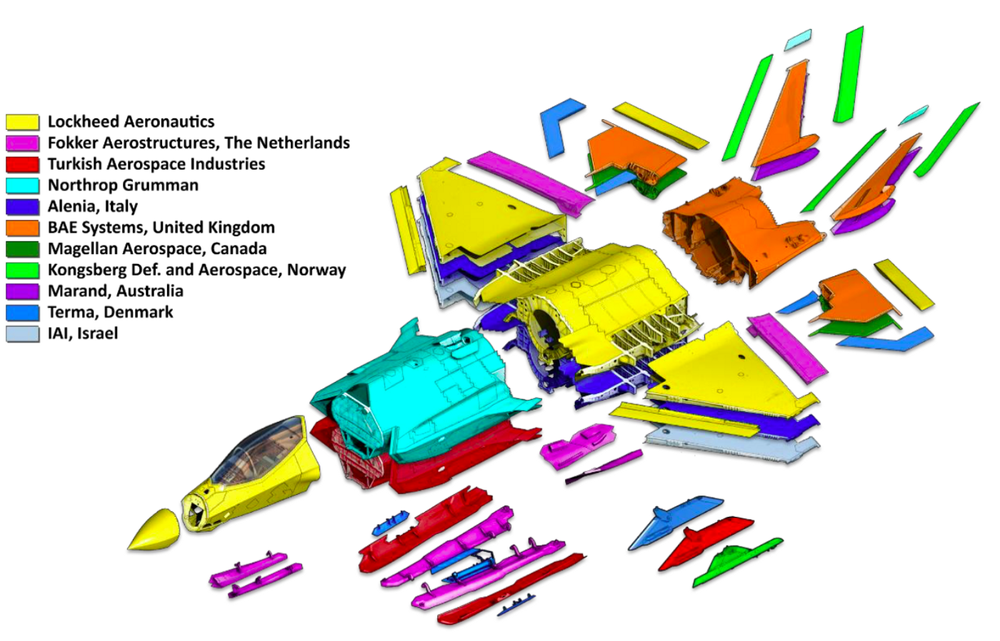
After our last post on the Challenges of Implementing Configuration Management, a reader asked if the impediments to deploying configuration management were very different between a modest-size single-production facility versus a large multi-national multi-site enterprise. Our answer was both “No” and “Yes.”

Once upon a time, the process of managing Contract Data Requirement Lists (CDRL) and Subcontract Data Requirement Lists (SDRL) in support of government and commercial contracts in aerospace and defense was simple enough that data managers and project planners could perform most of what was required using spreadsheets.

What is the most frequent obstacle encountered by an organization developing, implementing, or repairing their Configuration Management strategy and execution? It is the misunderstanding among product managers, program managers, and business-line executives who think that change control management is configuration management. It is not!

Much has been recently written about the use of Configuration Management (CM) as products, equipment, systems, and infrastructures (both physical and digital) become more complex to design and maintain with frequent configuration changes over longer lifecycles of consumer use or asset deployment. As a result, the role of configuration management continues to rapidly expand and evolve, creating new challenges, opportunities and decisions for CM professionals, industry practitioners and solution providers.
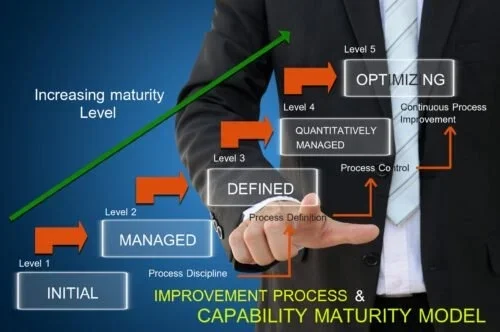
In this month’s CMsights we speak with Lisa Fenwick, Vice President of Product Development for CMstat, to better understand what exactly is Change Implementation Planning and Verification. It’s a timely topic because many product and project managers are justifiably confused by the overlapping terms change control, change management, change implementation…

By far the most common error CMstat has observed industrial users of CM software make is that of senior-level managers mistakenly believing their organization was ready to proceed implementing a configuration management strategy before everyone was adequately educated, prepared and trained to do so…
Our latest CMsights post begins a series on the most common lessons that CMstat has seen our software customers and consulting clients learn over the years from implementing configuration management (CM). These include lessons learned – both easy and hard - that are applicable to a small project, complete product line, major program…

In our first CMviews interview, CMstat’s Vice President of Development Lisa Fenwick speaks with Larry Gurule, President of CMPIC, about the role of Configuration Management in taming then leveraging the Digital Thread. In this broadcast our pair of subject matter experts begin to explore: What is the Digital Thread and…
CMstat has announced the publication and availability of its newest white paper on Asset Lifecycle Configuration Management, also known as ALCM. This is the first comprehensive paper available to address the practice of ALCM and the use of configuration management software by industries with long-life assets that are deployed in the…

In our last CMsights article we investigated how Asset Lifecycle Configuration Management (ALCM) is both similar to and different from engineering-centric Product Configuration Management. In this month’s recorded CMsights video blog we will demonstrate an ALCM function from the Maintenance, Repair and Overhaul (MRO) phase of an asset’s lifecycle that…

In this CMsights article we will examine the relatively new practice of Asset Lifecycle Configuration Management (ALCM), including how it is similar and different to product-centric CM, and the evolution in the use of CM software in industries with long-life products that have ALCM…
Configuration Management
Configuration Management is the application of resources, methodologies, processes, best practices, standards, governance policies, and software tools to establish and maintain consistency and traceability between product requirements, the actual product as manufactured and serviced over its lifecycle, and associated product data for all the creators, users, revisers, and custodians of this information.


Contract Deliverables Data Management
In performance-based contracting, the contract-specified deliverables of documentation and data are often just as important to deliver as the final physical product or service to a customer. In the aerospace and defense industry where contracts are often with government agencies, the very important Contract Data Requirements List CDRL management function is provided by Contract Deliverables Data Management software solutions like EPOCH DM.
Asset Lifecycle Configuration Management
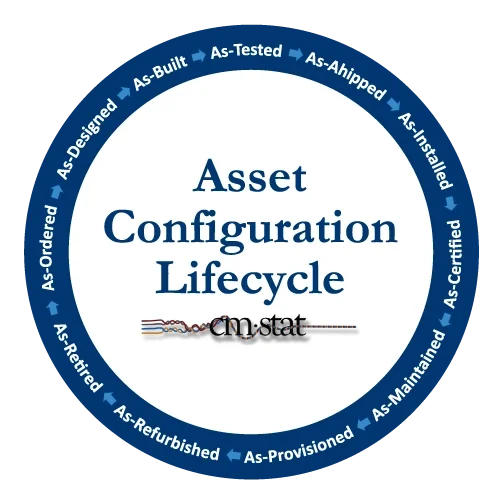
For many industries, managing the in-service configuration of assets over an extended lifecycle of many years or even decades is a more important application of configuration management than that for product design engineering. Tracking the as-procured, as-built, as-certified, as-installed, as-provisioned, as-maintained, as-refurbished, and as-retired configuration of products, devices, equipment, and systems far removed from the OEM’s original CAD or PDM data vault is THE mission critical use case of CM.

CMsights News
CMstat recently conducted a two-day user training session with Lockheed Martin teams centered on practical adoption of Epoch CM software. Through structured walkthroughs and scenario-based exercises, participants strengthened their understanding of configuration fundamentals, data management practices, and real-world workflows that support effective configuration management operations.
CMstat pioneered commercial off-the-shelf Contract Deliverables Management software with EPOCH DM, helping aerospace and defense contractors track CDRLs, improve compliance, and protect contract revenue.
CMstat is proud to announce our Data Management certification! Whether your role is IT, Program Management, Data Manager (DM), Configuration Manager (CM), Configuration Data Manager (CDM) or a combination of all of the above, learn from the best and become your organization’s Data Czar!
Follow Us on

Receive CMsights
Subscribe to CMsights News for the latest updates from CMstat on Configuration Management, Data Management, EPOCH CM, and EPOCH DM.
In this short video presentation from Lisa Fenwick, learn who is CMstat including:
What is CMstat’s core business focus?
What technology markets and industries does CMstat serve?
What business problems and engineering challenges do CMstat’s solutions address?
What are CMstat’s software products and consulting services?
Who are CMstat’s customers and end users?